
Blepharoplasty (Eyelid Surgery)
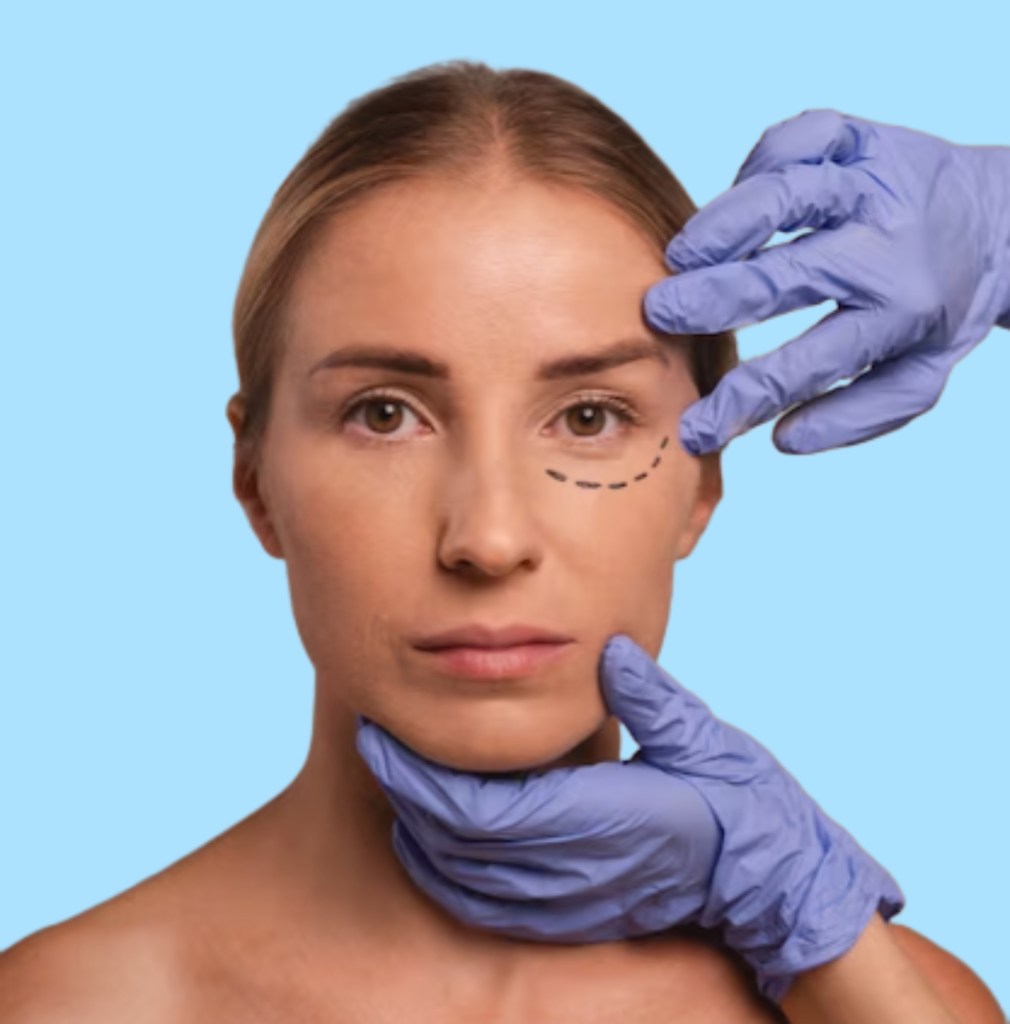
What is Blepharoplasty?
Blepharoplasty, also known as eyelid surgery, is a cosmetic procedure designed to improve the appearance of the upper and lower eyelids. The surgery removes excess skin, fat, and muscle to address drooping upper eyelids or puffy bags under the eyes. This procedure helps create a more youthful, refreshed, and alert appearance.
Benefits of Blepharoplasty
- Rejuvenated Appearance: Removes excess skin and fat from the eyelids to restore a more youthful, refreshed look.
- Improved Vision: In some cases, drooping upper eyelids can impair vision, and blepharoplasty can help improve peripheral vision.
- Enhanced Self-Confidence: Many patients feel more confident in their appearance after the procedure, experiencing a more rested and alert look.
- Long-Lasting Results: Blepharoplasty offers long-lasting results, particularly when combined with a healthy skincare routine and sun protection.
- Minimal Scarring: Incisions are typically made in the natural folds of the eyelids, resulting in minimal and inconspicuous scarring.
The Blepharoplasty Procedure
- Consultation:
- Initial Assessment: Your journey begins with a consultation at Esthetic Surgery Travel, where your surgeon will assess your eyelids and discuss your aesthetic goals.
- Customized Plan: Based on your unique needs, your surgeon will develop a personalized treatment plan, which may involve upper eyelid surgery, lower eyelid surgery, or both.
- Surgery:
- Anesthesia Administration: Local anesthesia with sedation or general anesthesia is used to ensure your comfort throughout the procedure.
- Incisions and Fat Removal: Incisions are typically made along the natural creases of the eyelids. Excess skin, fat, and muscle are removed to create a smoother, more youthful appearance.
- Surgery Duration: The procedure generally takes 1 to 2 hours, depending on whether both upper and lower eyelids are being treated.
- Recovery:
- Immediate Post-Op: After surgery, you will be monitored as you recover from anesthesia. Cold compresses may be applied to reduce swelling and discomfort.
- Follow-Up Care: Regular follow-up appointments with your surgeon are important to monitor healing and ensure optimal results.
Recovery Process
- Initial Recovery: You can expect swelling, bruising, and mild discomfort in the eye area during the first week. Cold compresses and prescribed eye drops can help manage these symptoms.
- Returning to Activities: Most patients can return to light activities, including work, within 1 to 2 weeks, although full recovery may take a few weeks.
- Long-Term Results: As swelling subsides, the final results will become more apparent, revealing rejuvenated and refreshed eyelids. Proper skin care and sun protection can help maintain these results.
Frequently Asked Questions (FAQs)
- Q: Who is a good candidate for blepharoplasty?
- A: Ideal candidates are individuals who have drooping upper eyelids, bags under the eyes, or excess skin around the eyelids that affect their appearance or vision.
- Q: Will there be visible scars after blepharoplasty?
- A: Scarring is minimal, as incisions are typically made within the natural folds of the eyelids. Over time, scars should fade significantly.
- Q: How long do the results of blepharoplasty last?
- A: Results are long-lasting, and while aging will continue naturally, many patients enjoy their enhanced appearance for years after the procedure.
- Q: Is blepharoplasty painful?
- A: Most patients experience mild discomfort after the procedure, but pain is generally minimal and manageable with medication.
- Q: How soon can I return to work after blepharoplasty?
- A: Most patients can return to work within 1 to 2 weeks, depending on the extent of the surgery and their individual recovery process.
- Q: Can blepharoplasty be combined with other facial procedures?
- A: Yes, blepharoplasty is often combined with other facial rejuvenation procedures, such as a facelift or brow lift, to achieve more comprehensive results.
What Happens During Blepharoplasty Surgery
Pre-Surgery Preparation
- Anesthesia Administration: You will receive local anesthesia with sedation or general anesthesia to ensure comfort throughout the procedure.
- Marking Treatment Areas: Your surgeon will mark the areas of the eyelids where excess skin, fat, and muscle will be removed to ensure symmetry and balance.
The Surgical Procedure
- Making Incisions:
- Incisions are made along the natural creases of the upper eyelids or just below the lower lash line, depending on the areas being treated.
- Skin, Fat, and Muscle Removal:
- Excess skin, fat, and muscle are carefully removed to smooth and tighten the eyelids, creating a more refreshed and youthful appearance.
- Closing Incisions:
- The incisions are closed with sutures, and cold compresses may be applied to reduce swelling and promote healing.
Post-Surgery Care in the Operating Room
- Cold Compresses: Cold compresses are applied to reduce swelling and discomfort around the eyes.
- Monitoring: You will be monitored closely as you awaken from anesthesia, and your surgeon will provide detailed post-operative care instructions to ensure a smooth recovery.
Summary of Blepharoplasty Surgery Steps:
- Administer anesthesia and mark treatment areas.
- Make incisions along the natural eyelid creases or just below the lower lash line.
- Remove excess skin, fat, and muscle to smooth and tighten the eyelids.
- Close incisions and apply cold compresses to reduce swelling.
- Monitor recovery in the post-op area and follow up with regular check-ups.
Contact Us
For more information about blepharoplasty surgery or to schedule a consultation with Esthetic Surgery Travel, please contact our office. We are committed to providing personalized care and helping you achieve your aesthetic goals safely and effectively.
 Esthetic Surgery Travel