
Composite Bonding
What is Composite Bonding?
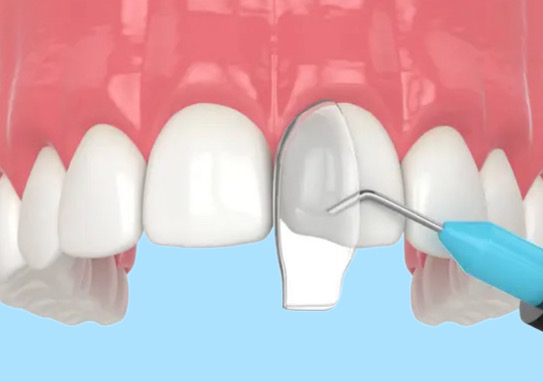
Composite bonding, also known as dental bonding, is a cosmetic dental procedure used to improve the appearance of your teeth by applying a tooth-colored resin to correct minor imperfections. This procedure can address issues such as chipped or cracked teeth, gaps between teeth, discoloration, and even reshaping teeth for a more uniform appearance. Composite bonding is a minimally invasive and cost-effective way to enhance your smile, offering immediate results with little to no discomfort.
Benefits of Composite Bonding
- Quick and Immediate Results: Composite bonding can be completed in just one visit, making it an ideal solution for patients seeking fast results. You’ll leave the dentist’s office with an improved smile in as little as one hour.
- Minimally Invasive: Unlike veneers or crowns, composite bonding requires little to no removal of tooth enamel. This preserves the natural structure of your teeth while achieving excellent cosmetic results.
- Natural-Looking Results: The resin used in composite bonding is carefully matched to the color of your natural teeth, ensuring a seamless and natural appearance that blends in perfectly with the rest of your smile.
- Versatile Solution: Composite bonding can be used to fix a variety of cosmetic issues, including chipped or cracked teeth, gaps, uneven tooth size, and discoloration. It’s a versatile treatment that can dramatically enhance your smile.
- Cost-Effective: Composite bonding is a more affordable cosmetic treatment compared to veneers, crowns, or orthodontics. It offers excellent value for patients seeking a quick and effective cosmetic improvement without the high costs of other procedures.
- No Anesthesia Needed: Most composite bonding procedures do not require anesthesia, making it a convenient and painless option for minor cosmetic corrections.
Why Choose Composite Bonding?
Composite bonding is a highly effective and minimally invasive way to improve the aesthetics of your smile. Whether you’re looking to fix a small chip, close gaps between your teeth, or enhance your tooth shape, this treatment provides a quick and affordable solution. With composite bonding, you can achieve natural-looking, immediate results that last for years with proper care. It’s the perfect option for individuals seeking a simple, fast, and affordable way to boost their smile’s appearance without the need for more extensive treatments.
The Composite Bonding Procedure
- Consultation:
- Initial Examination: During your consultation at Esthetic Surgery Travel, your dentist will evaluate your teeth and discuss your cosmetic goals. Together, you’ll decide if composite bonding is the right solution to address your specific needs, such as fixing chips, gaps, or discoloration.
- Tooth Preparation:
- Minimal Preparation: Composite bonding is a minimally invasive procedure that requires little to no removal of the tooth’s natural structure. The tooth surface will be roughened slightly, and a conditioning liquid will be applied to help the resin adhere securely to the tooth.
- Application of the Composite Resin:
- Matching the Shade: Your dentist will select a shade of composite resin that closely matches the color of your natural teeth. The resin is then applied to the tooth and molded to the desired shape, ensuring a natural and aesthetically pleasing result.
- Shaping and Sculpting: Once applied, the dentist carefully sculpts and shapes the resin to correct imperfections, such as chips or gaps, and enhance the overall appearance of the tooth. The resin can be used to lengthen teeth, close spaces, or improve alignment.
- Curing the Resin:
- Hardening the Bond: After shaping the resin, a special curing light is used to harden the material, bonding it securely to the tooth’s surface. This process typically takes just a few minutes per tooth.
- Polishing:
- Finishing Touches: Once the composite resin is hardened, the dentist will polish the tooth to give it a smooth, shiny finish that blends seamlessly with your natural teeth.
Recovery Process
- Immediate Results: Composite bonding delivers immediate results, and you can resume normal activities, including eating and speaking, right after the procedure. There is no downtime, making it a convenient option for those with busy schedules.
- Sensitivity: Some patients may experience mild tooth sensitivity after the bonding procedure, but this typically subsides within a few days.
- Maintenance: While composite bonding is a durable treatment, it’s essential to maintain good oral hygiene habits to ensure the longevity of the results. Regular brushing, flossing, and dental check-ups will help preserve the bonded area. Avoid biting hard objects, such as ice or pens, as this can chip or damage the composite material.
Frequently Asked Questions (FAQs)
- Q: How long does composite bonding last?
- A: Composite bonding can last anywhere from 5 to 10 years or more, depending on your oral hygiene habits and the location of the bonding. Regular dental check-ups and proper care will help extend the lifespan of the bonding.
- Q: Is composite bonding painful?
- A: No, composite bonding is a painless procedure, and in most cases, anesthesia is not required. You may experience mild sensitivity after the procedure, but this is temporary.
- Q: Can composite bonding be used to fix large chips or cracks?
- A: Composite bonding is best suited for minor chips, cracks, gaps, and discoloration. For more extensive damage, treatments like veneers or crowns may be more appropriate. Your dentist will recommend the best option based on your needs.
- Q: Does composite bonding look natural?
- A: Yes, composite bonding looks very natural. The resin is custom-matched to the color of your teeth, ensuring a seamless blend. Once polished, the bonded area is virtually indistinguishable from your natural teeth.
- Q: How should I care for my bonded teeth?
- A: Caring for bonded teeth is similar to caring for your natural teeth. Brush and floss regularly, avoid biting hard objects, and visit your dentist for regular cleanings. Avoid highly pigmented foods and drinks that could stain the bonding material, such as coffee, tea, and red wine.
What Happens During a Composite Bonding Procedure?
Pre-Treatment Preparation
- Consultation and Examination: Your dentist will assess your teeth and discuss your aesthetic goals to determine if composite bonding is the right solution.
- Color Matching: The dentist will select a shade of composite resin that matches your natural teeth.
The Bonding Process
- Tooth Preparation:
- The surface of the tooth is slightly roughened, and a conditioning liquid is applied to help the resin adhere to the tooth.
- Applying the Resin:
- The tooth-colored composite resin is applied and molded to the desired shape.
- Curing the Resin:
- A special curing light is used to harden the resin, bonding it securely to the tooth.
- Polishing:
- The bonded area is polished to create a smooth and natural-looking finish.
| Summary of Composite Bonding Procedure Steps: |
| 1. Initial consultation and shade matching of the composite resin. |
| 2. Minimal tooth preparation to allow for resin adhesion. |
| 3. Application, moldtooth-coloreding, and shaping of the composite resin to correct imperfections. |
| 4. Curing the resin with a special light and polishing for a smooth, natural finish. |
Contact Us
For more information about Composite Bonding, or to schedule your consultation to improve the appearance of your smile with this versatile and effective cosmetic treatment, contact Esthetic Surgery Travel today. Our skilled team is dedicated to helping you achieve a natural, beautiful smile with personalised care.
 Esthetic Surgery Travel