
Dental Bone Grafting
What is Dental Bone Grafting?
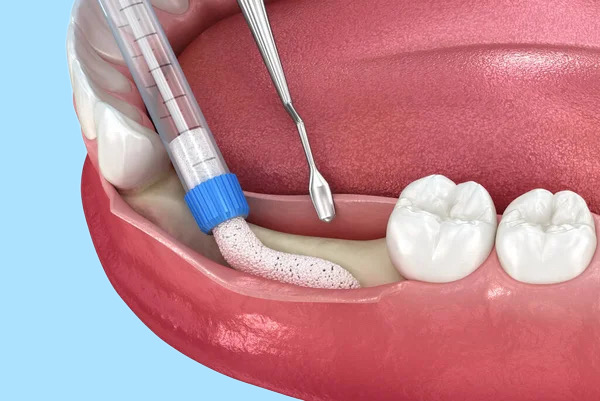
Dental bone grafting is a surgical procedure that involves adding bone or bone-like material to areas of the jaw where bone loss has occurred. This process helps regenerate bone in preparation for dental implants or other restorative dental procedures. Bone grafting is commonly used when a patient has insufficient bone density in the jaw, which can occur due to tooth loss, gum disease, or trauma. By restoring the lost bone, dental bone grafting ensures there is enough support for the placement of dental implants or other prosthetic devices.
Benefits of Dental Bone Grafting
- Enables Dental Implants: Bone grafting helps create a strong and stable foundation for dental implants. Without sufficient bone, implants cannot securely fuse to the jawbone, leading to complications. Bone grafting solves this problem by providing the necessary support.
- Prevents Bone Loss: When teeth are missing, the jawbone can begin to deteriorate. Bone grafting stimulates new bone growth, preserving the bone structure and preventing further bone loss. This is especially important for maintaining the shape and health of your jawline.
- Restores Facial Structure: Bone loss can lead to a sunken or aged appearance in the face. By restoring bone density through grafting, facial structure and aesthetics are improved, resulting in a more youthful and balanced appearance.
- Improves Oral Function: Bone grafting not only restores the bone but also improves overall oral function. By providing the necessary support for implants, dentures, or bridges, it allows for better chewing, speaking, and confidence in daily activities.
- Promotes Long-Term Dental Health: By replacing lost bone, bone grafting can prevent future oral health issues, including gum disease, further bone deterioration, and tooth movement. It provides the foundation necessary for long-lasting dental restorations.
Why Choose Bone Grafting?
Dental bone grafting is often a crucial step for patients who need dental implants or have suffered significant bone loss in their jaw. Without enough bone, implants cannot be placed, and other restorative procedures may not be possible. Bone grafting not only enables these procedures but also prevents further bone deterioration, maintains facial aesthetics, and enhances overall oral health. Choosing bone grafting is an investment in the future health and function of your smile.
The Dental Bone Grafting Procedure
- Consultation:
- Initial Assessment: The process begins with a consultation at Esthetic Surgery Travel, where your dentist will assess your oral health and take X-rays or CT scans to evaluate the extent of bone loss. This step helps determine the need for bone grafting and what type of graft material will be used.
- Bone Graft Material:
- Types of Bone Grafts: There are several types of bone graft materials, including:
- Autograft: Bone taken from your own body, usually from the chin, hip, or another area of the mouth.
- Allograft: Bone sourced from a human donor.
- Xenograft: Bone from an animal source, usually bovine (cow) bone.
- Synthetic Graft: A synthetic, biocompatible material designed to encourage bone growth.
- Your dentist will discuss which option is best for your specific case, ensuring that the graft integrates well with your natural bone.
- Types of Bone Grafts: There are several types of bone graft materials, including:
- Anesthesia and Sedation:
- Comfort During the Procedure: Local anesthesia is used to numb the area, ensuring the procedure is painless. Sedation options are also available for patients who experience anxiety or are undergoing more complex bone grafting procedures.
- Placing the Bone Graft:
- Graft Placement: Once the area is numbed, the dentist or oral surgeon will make an incision in the gum tissue to expose the jawbone. The bone graft material is then carefully placed into the area where bone loss has occurred.
- Securing the Graft: In some cases, the bone graft may be secured with a special membrane or small screws to keep it in place while the bone regenerates.
- Closing the Incision:
- Stitching the Area: The incision is closed with stitches, and the healing process begins. Over the next few months, the graft material will integrate with your natural bone, creating a strong foundation for future dental work.
Recovery Process
- Initial Recovery: After the procedure, you may experience mild discomfort, swelling, or bruising in the affected area for a few days. Over-the-counter pain relievers and ice packs can help manage these symptoms. Your dentist will provide detailed aftercare instructions, including how to keep the surgical site clean.
- Healing Time: Bone grafting typically takes several months to fully heal. During this time, the graft material integrates with your natural bone, creating a stable foundation for dental implants or other restorative procedures. Healing times can vary depending on the size and complexity of the graft.
- Follow-Up Care: Your dentist will schedule follow-up visits to monitor the healing process and ensure that the bone graft is successfully integrating. Once the bone has fully regenerated, you’ll be ready for the next step in your dental restoration, such as implant placement.
Frequently Asked Questions (FAQs)
- Q: Why would I need a bone graft?
- A: Bone grafting is necessary for individuals who have insufficient bone in the jaw, often due to tooth loss, gum disease, or trauma. A bone graft provides the structure needed to support dental implants or other restorations.
- Q: Is bone grafting painful?
- A: No, the procedure itself is not painful as local anesthesia or sedation is used to numb the area. After the procedure, any discomfort is typically mild and can be managed with over-the-counter pain medications.
- Q: How long does it take to heal from a bone graft?
- A: Healing times can vary, but it generally takes between 3-6 months for the bone graft to fully integrate with your natural bone. Once the healing process is complete, dental implants or other procedures can be performed.
- Q: Can I get dental implants immediately after a bone graft?
- A: In most cases, dental implants cannot be placed immediately after a bone graft. The bone graft needs time to heal and integrate with the existing bone before implants can be placed, which typically takes a few months.
- Q: What can I eat after a bone graft procedure?
- A: Stick to soft foods for the first few days after the procedure, such as yogurt, mashed potatoes, soup, and smoothies. Avoid hard or crunchy foods that could irritate the surgical site or disrupt the healing process.
- Q: How long does the bone graft procedure take?
- A: The procedure typically takes about 1-2 hours, depending on the complexity of the graft and the location. Your dentist will provide you with an estimated timeframe during your consultation.
What Happens During a Dental Bone Grafting Procedure?
Pre-Surgery Preparation
- Consultation and X-rays/CT Scans: Your dentist will assess the extent of bone loss and determine the type of bone graft material needed.
- Anesthesia: Local anesthesia is administered to numb the area, and sedation options are available for your comfort.
The Surgical Procedure
- Incision and Exposure:
- A small incision is made in the gum tissue to expose the bone where the graft will be placed.
- Placing the Bone Graft:
- The bone graft material is placed in the area of bone loss, and may be secured with membranes or screws if needed.
- Closing the Incision:
- The area is closed with stitches, and the healing process begins.
| Summary of Dental Bone Grafting Procedure Steps: |
| 1. Initial consultation and imaging to assess bone loss and plan the procedure. |
| 2. Administering local anesthesia or sedation for comfort. |
| 3. Making an incision and placing the bone graft material in the area of bone loss. |
| 4. Closing the incision and beginning the healing process. |
| 5. Follow-up care and monitoring until the graft integrates with your natural bone. |
Contact Us
For more information about Dental Bone Grafting or to schedule a consultation to determine if this procedure is right for you, contact Esthetic Surgery Travel today. Our expert team is here to guide you through the process and ensure that your dental health is restored with precision and care.
 Esthetic Surgery Travel