
Dental Post
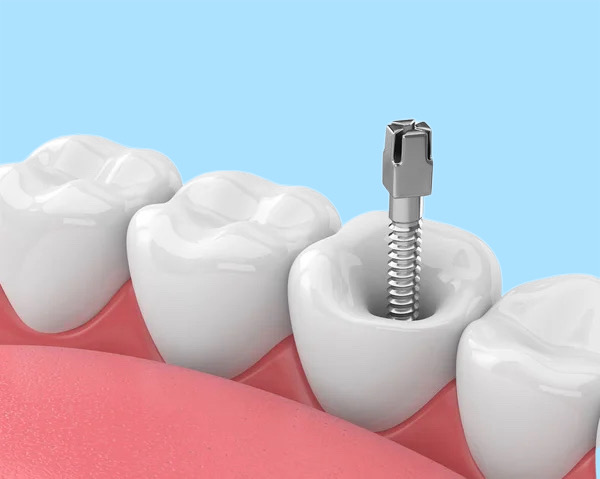
What is a Dental Post?
A dental post is a small, cylindrical support placed inside the root canal of a tooth that has undergone a root canal treatment. It serves to reinforce the tooth structure when there is insufficient tooth material left to support a crown or other restorations. The post is placed in the root canal after it has been cleaned and filled, and it provides a stable foundation for the buildup material and the final restoration, such as a dental crown. Dental posts are used to strengthen teeth that have been weakened by decay, fractures, or large fillings, ensuring long-term functionality and stability.
Benefits of a Dental Post
- Reinforces Tooth Structure: A dental post adds support to a tooth that has been weakened by root canal treatment or extensive decay. This ensures the tooth is strong enough to withstand biting and chewing forces.
- Provides Stability for Crowns: A dental post acts as a foundation for a crown or other restorations, offering the necessary support for the crown to stay securely in place over time.
- Prevents Tooth Fracture: By reinforcing the core of a tooth, a dental post reduces the risk of the tooth fracturing, which can lead to more complex treatments or even tooth extraction.
- Improves Longevity of Restorations: With the added support of a dental post, restorations such as crowns or bridges are more durable and last longer, ensuring a long-term solution for your dental needs.
- Preserves Natural Teeth: Dental posts allow for the preservation of natural teeth that might otherwise need to be extracted due to lack of structural integrity. This helps maintain proper oral function and aesthetics.
Why Choose a Dental Post?
A dental post is an essential component of restoring a tooth that has undergone significant structural damage. After a root canal or when there is limited tooth material remaining, a post ensures that the tooth can support a crown or other restorations. Choosing a dental post helps to preserve the tooth, maintain oral functionality, and improve the longevity of the restoration. For anyone looking to save a damaged tooth, a dental post offers a stable and long-lasting solution.
The Dental Post Procedure
- Consultation:
- Initial Examination: During your consultation at Esthetic Surgery Travel, your dentist will assess the tooth that needs to be restored. This typically follows a root canal treatment, where the tooth may have been weakened or compromised due to decay, trauma, or large fillings.
- Post Selection:
- Choosing the Right Post: Based on the size and shape of the root canal, your dentist will choose the appropriate type of post for your tooth. Posts are usually made from materials like metal or fiber-reinforced resin, providing strength and biocompatibility.
- Placing the Post:
- Preparation: After the root canal treatment, the dentist will remove a small portion of the root canal filling to make space for the post. This is done carefully to ensure the post fits securely within the canal.
- Post Insertion: The dental post is then placed into the root canal, ensuring it is securely anchored. The post is cemented in place to provide a strong foundation for the restoration.
- Core Buildup:
- Rebuilding the Tooth: Once the post is in place, a core buildup material is applied to the tooth. This material forms the structure around which the final crown or restoration will be placed. It acts as a supportive base for the restoration and mimics the shape of the natural tooth.
- Final Restoration:
- Placing the Crown: After the core buildup, your dentist will either place a temporary or permanent crown on the tooth. The crown protects the tooth and restores its function, allowing you to chew, speak, and smile with confidence.
Recovery Process
- Immediate Recovery: After the procedure, you may experience mild discomfort or sensitivity in the treated tooth, especially if the area has been numbed. This should subside within a day or two, and over-the-counter pain relievers can help manage any discomfort.
- Returning to Normal Activities: Most patients can resume normal activities immediately after the procedure. You may be advised to avoid chewing on hard or sticky foods until the final crown is placed to ensure the post remains secure.
- Long-Term Care: Maintaining proper oral hygiene, including brushing and flossing, is essential for ensuring the longevity of your dental post and the restoration it supports. Regular dental check-ups will help monitor the health of the tooth and surrounding structures.
Frequently Asked Questions (FAQs)
- Q: Why would I need a dental post?
- A: A dental post is necessary when a tooth has been weakened by root canal treatment, decay, or trauma and lacks enough structure to support a crown or restoration. The post provides reinforcement and stability for the tooth.
- Q: Is the placement of a dental post painful?
- A: No, the placement of a dental post is usually painless as the procedure is done after root canal treatment, and the tooth is already numb or non-vital. Any discomfort afterward is minimal and can be managed with pain relievers.
- Q: What materials are dental posts made from?
- A: Dental posts can be made from various materials, including metal (such as titanium) and fiber-reinforced resin. Your dentist will choose the material best suited to your needs based on strength, biocompatibility, and the location of the tooth.
- Q: How long does a dental post last?
- A: With proper care and regular dental visits, a dental post can last many years. Its longevity depends on maintaining good oral hygiene and ensuring the crown or restoration remains intact and functional.
- Q: Can I eat normally after getting a dental post?
- A: Yes, but it’s advisable to avoid chewing on hard or sticky foods until the final crown or restoration is placed. This ensures that the post remains stable and secure during the healing and restoration process.
What Happens During a Dental Post Procedure?
Pre-Treatment Preparation
- Consultation and Assessment: Your dentist will examine the tooth to determine if a dental post is needed. This often follows root canal treatment.
- Post Selection: The dentist will select the appropriate type of post based on the tooth’s structure and root canal shape.
The Procedure
- Preparation:
- A portion of the root canal filling is removed to make space for the post.
- Post Insertion:
- The dental post is placed into the root canal and secured with dental cement.
- Core Buildup:
- A core material is applied around the post to rebuild the tooth’s structure.
- Crown Placement:
- A temporary or permanent crown is placed over the restored tooth to protect and restore function.
| Summary of Dental Post Procedure Steps: |
| 1. Initial consultation and assessment to determine the need for a post. |
| 2. Preparing the root canal and selecting the appropriate post. |
| 3. Inserting and securing the post within the root canal. |
| 4. Rebuilding the tooth structure with core buildup material. |
| 5. Placing a crown for full restoration and functionality. |
Contact Us
For more information about Dental Post procedures or to schedule a consultation to restore a weakened tooth, contact Esthetic Surgery Travel today. Our experienced team is committed to providing you with the highest quality dental care to help preserve your natural teeth and restore your smile.
 Esthetic Surgery Travel