
Dental Sinus Lifting
What is a Dental Sinus Lifting?
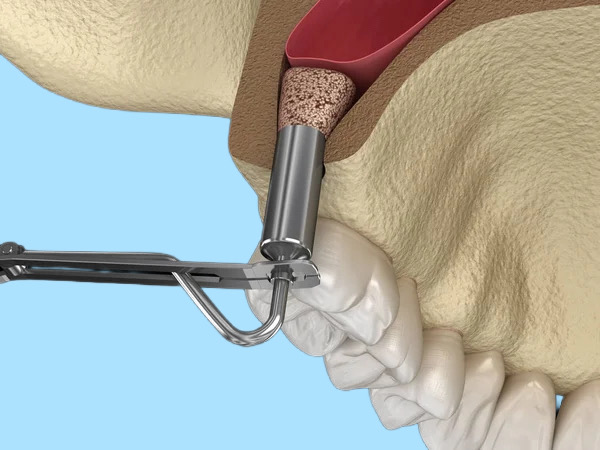
Dental sinus lifting, also known as sinus augmentation, is a surgical procedure designed to increase the amount of bone in the upper jaw, specifically in the molar and premolar regions. This procedure is often necessary for patients who want dental implants but lack sufficient bone height in the upper jaw due to the proximity of the sinus cavities. By lifting the sinus membrane and placing bone graft material, dental sinus lifting creates a stable foundation for dental implants, allowing for long-lasting, successful results.
Benefits of Dental Sinus Lifting
- Facilitates Dental Implants: Sinus lifting is often required before placing dental implants in the upper jaw. By increasing bone volume, it provides the necessary support for the implants to integrate successfully and remain stable over time.
- Prevents Sinus Complications: Without sufficient bone support, dental implants placed in the upper jaw may interfere with the sinus cavities, leading to potential sinus issues. Sinus lifting eliminates this risk by providing enough bone to safely accommodate implants.
- Restores Oral Function: By enabling the placement of implants in areas with insufficient bone, sinus lifting restores chewing and speaking abilities that may have been compromised by missing teeth.
- Enhances Aesthetic Results: For patients with tooth loss in the upper jaw, dental implants supported by a sinus lift offer a permanent, natural-looking solution that enhances both smile aesthetics and facial structure.
- Prevents Bone Loss: After tooth loss, the bone in the jaw can deteriorate over time. Sinus lifting not only prepares the area for implants but also helps prevent further bone loss by stimulating the bone with the graft material.
Why Choose Sinus Lifting?
Sinus lifting is a crucial procedure for patients with insufficient bone height in the upper jaw who are seeking dental implants. Without adequate bone support, placing implants could lead to complications, including implant failure and sinus issues. Sinus lifting ensures there is enough bone for implants to integrate securely, providing a stable, long-term foundation for a beautiful and functional smile. Choosing sinus lifting when recommended can make the difference between a successful implant procedure and one that is compromised due to lack of bone support.
The Dental Sinus Lifting Procedure
- Consultation:
- Initial Assessment: Your journey begins with a thorough consultation at Esthetic Surgery Travel. Your dentist will assess your oral health, take X-rays or CT scans, and evaluate the height and width of your existing bone in the upper jaw. This step helps determine if a sinus lift is necessary to proceed with dental implants.
- Preparation and Anesthesia:
- Local Anesthesia: Local anesthesia is administered to numb the area, ensuring you remain comfortable throughout the procedure. Sedation options are also available for patients who feel anxious or are undergoing a more extensive sinus lift.
- Lifting the Sinus Membrane:
- Accessing the Sinus Cavity: The dentist or oral surgeon will make a small incision in the gum tissue to expose the bone. A small window is then created in the bone to access the sinus cavity.
- Lifting the Sinus Membrane: The sinus membrane is carefully lifted, creating space between the jawbone and the sinus cavity.
- Bone Grafting:
- Placing the Bone Graft: Bone graft material, which may come from your own body, a donor, or synthetic material, is placed in the space created by lifting the sinus membrane. This graft helps stimulate the growth of new bone over the next several months, increasing the bone height.
- Closing the Incision: Once the graft material is in place, the incision is closed with sutures, and the healing process begins.
Recovery Process
- Initial Recovery: After the procedure, mild swelling, discomfort, and bleeding may occur for the first few days. Over-the-counter pain relievers and cold compresses can help manage any discomfort.
- Healing Period: The healing process for sinus lifting usually takes several months, as the bone graft integrates with your existing bone. This time allows the grafted material to create a stable foundation for future dental implants.
- Post-Operative Care: To ensure proper healing, avoid activities that could increase sinus pressure, such as blowing your nose or strenuous exercise. Follow your dentist’s instructions on how to care for the surgical site and prevent infection.
- Preparing for Implants: Once the graft has fully integrated and sufficient bone has developed, dental implants can be placed. This process typically occurs 4-9 months after the sinus lift, depending on the rate of bone growth.
Frequently Asked Questions (FAQs)
- Q: Why would I need a sinus lift?
- A: A sinus lift is recommended when there is not enough bone height in the upper jaw for dental implants due to the proximity of the sinus cavity. This often occurs after tooth loss, bone resorption, or natural anatomical limitations.
- Q: Is a sinus lift painful?
- A: No, the procedure is typically painless. Local anesthesia is used to numb the area, and sedation options are available for added comfort. After the procedure, any discomfort is usually mild and can be managed with pain medication.
- Q: How long does it take to recover from a sinus lift?
- A: The initial recovery period lasts a few days to a week, during which swelling and discomfort should subside. However, full healing and integration of the bone graft can take 4-9 months before dental implants can be placed.
- Q: What can I eat after a sinus lift?
- A: Stick to soft foods for the first few days after the procedure, avoiding anything that could irritate the surgical site. Foods like yogurt, smoothies, soup, and mashed potatoes are ideal. Your dentist will provide detailed post-op dietary instructions.
- Q: Can I get dental implants immediately after a sinus lift?
- A: In most cases, dental implants cannot be placed immediately after a sinus lift. The bone graft requires time to integrate with your natural bone, which can take several months. Once sufficient bone has developed, implants can be placed.
What Happens During a Dental Sinus Lifting Procedure?
Pre-Surgery Preparation
- Consultation and Imaging: Your dentist will assess your oral health and take X-rays or CT scans to evaluate your bone structure and determine the need for a sinus lift.
- Anesthesia: Local anesthesia is used to numb the area, and sedation options are available to ensure a comfortable experience.
The Surgical Procedure
- Creating Access to the Sinus:
- A small incision is made in the gum tissue, and a window is created in the bone to access the sinus cavity.
- Lifting the Sinus Membrane:
- The sinus membrane is gently lifted, creating space between the sinus cavity and the jawbone.
- Bone Grafting:
- Bone graft material is placed in the newly created space to promote bone growth.
- Closing the Incision:
- The incision is closed with sutures, and the healing process begins.
| Summary of Dental Sinus Lifting Procedure Steps: |
| 1. Initial consultation and X-rays to determine the need for root canal treatment. |
| 2. Numbing the area with local anesthesia. |
| 3. Removing the infected pulp and cleaning the root canal. |
| 4. Sealing the root canal with gutta-percha. |
| 5. Regular dental care to maintain the health and longevity of the implants and prosthesis. |
Contact Us
For more information about Root Canal Treatment or to schedule a consultation to address tooth pain or infection, contact Esthetic Surgery Travel today. We are committed to helping you preserve your natural teeth and achieve optimal oral health with effective, pain-free root canal therapy.
 Esthetic Surgery Travel