
Face & Neck Lift
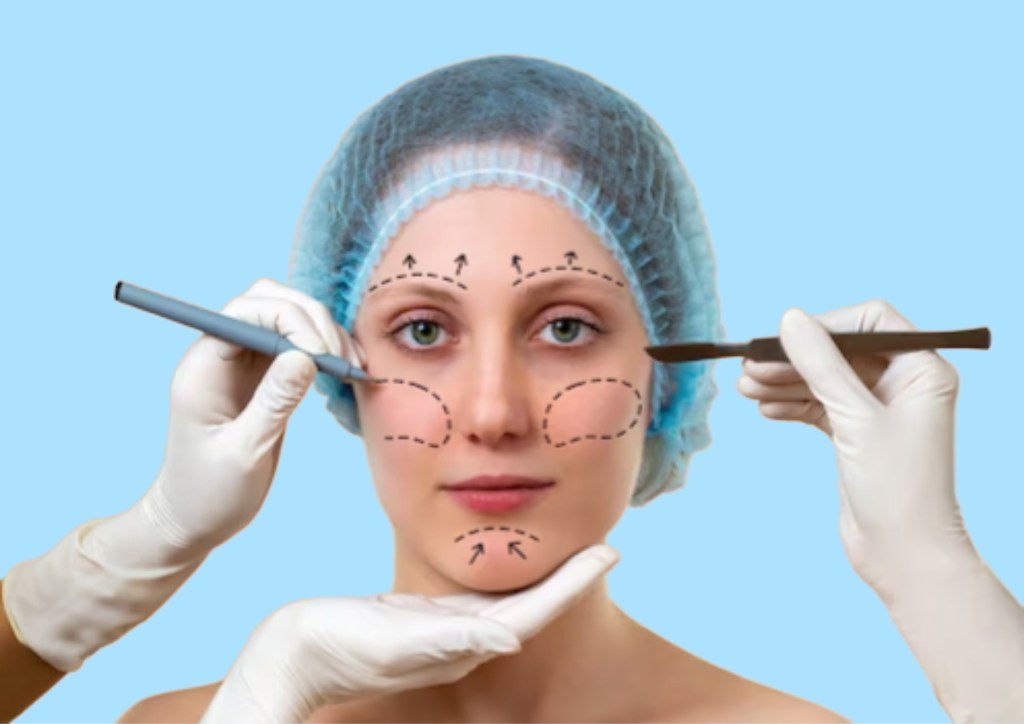
What is a Face Lift?
A face lift, also known as rhytidectomy, is a popular cosmetic surgery designed to reduce the visible signs of aging in the face and neck. It helps tighten sagging skin, smooth out deep folds, and improve the overall contour of the face to create a more youthful and refreshed appearance.
Benefits of a Face Lift
- Reduced Signs of Aging: A face lift effectively tightens loose skin and reduces wrinkles, restoring a youthful look.
- Enhanced Facial Contours: Improve the shape and definition of the jawline, neck, and cheeks, creating a more toned and balanced appearance.
- Long-Lasting Results: Unlike non-surgical options, the results of a face lift can last for several years.
- Boost in Confidence: Many patients experience enhanced self-esteem and satisfaction with their rejuvenated appearance post-surgery.
The Face Lift Procedure
- Consultation:
- Initial Assessment: Your journey begins with a consultation with a cosmetic surgeon at Esthetic Surgery Travel. During this consultation, your surgeon will discuss your goals, assess your medical history, and recommend a personalized treatment plan.
- Customized Plan: Based on your unique needs and desired outcomes, your surgeon will outline the areas to be treated and discuss the expected results.
- Surgery:
- Anesthesia Administration: Before the procedure begins, you will receive anesthesia to ensure comfort throughout the surgery.
- Incisions and Skin Tightening: Small, carefully placed incisions are made around the hairline and ears. The surgeon tightens underlying tissues and removes excess skin to create a smoother appearance.
- Surgery Duration: The length of the procedure varies depending on the extent of the surgery but generally lasts between 2 to 4 hours.
- Recovery:
- Immediate Post-Op: After the surgery, you will be monitored in a recovery area until you awaken from anesthesia.
- Dressings and Bandages: You will be instructed to wear bandages to minimize swelling and support the healing tissues.
- Follow-Up Care: Regular follow-up appointments with your surgeon are essential to monitor your healing and address any concerns.
Recovery Process
- Initial Recovery: You may experience mild discomfort, swelling, and bruising following a face lift. Pain medications and proper care will help manage these symptoms.
- Returning to Activities: Most patients can resume light activities within 1 to 2 weeks, with full recovery typically taking several weeks to a few months.
- Long-Term Results: The results of a face lift become more noticeable as swelling subsides, revealing a firmer and more youthful facial contour. The results can last for several years, especially with proper skin care and a healthy lifestyle.
Frequently Asked Questions (FAQs)
- Q: Who is a good candidate for a face lift?
- A: Ideal candidates are individuals experiencing significant facial sagging or deep wrinkles but are otherwise in good health.
- Q: What areas are treated during a face lift?
- A: A face lift typically addresses the lower two-thirds of the face and neck, including the jawline, cheeks, and neck.
- Q: Will I have noticeable scars?
- A: Face lift incisions are typically hidden in natural creases around the ears and hairline. Over time, scars fade and become less noticeable.
- Q: What can I expect during recovery?
- A: Recovery varies depending on the extent of the procedure and your individual healing. You may experience temporary swelling, bruising, and tightness, which improve with time.
- Q: Are there non-surgical alternatives to a face lift?
- A: Non-surgical options like Botox or dermal fillers can provide temporary rejuvenation, but they do not offer the same lasting or dramatic results as a surgical face lift.
What Happens During Face Lift Surgery
Pre-Surgery Preparation
- Anesthesia Administration: Before surgery begins, you will be given anesthesia to ensure comfort throughout the procedure.
- Marking Treatment Areas: Your surgeon will mark the areas where skin will be tightened. These markings guide the procedure and ensure symmetry and precision.
The Surgical Procedure
- Making Incisions:
- Small, inconspicuous incisions are made along the hairline and near the ears.
- The surgeon lifts and tightens the underlying tissues, removing excess skin.
- Tightening and Contouring:
- The surgeon carefully repositions facial tissues to smooth wrinkles and restore natural contours.
- Any excess skin is removed for a smoother, youthful appearance.
- Closing Incisions:
- Once the skin is tightened, the incisions are closed with sutures. These incisions are small and typically hidden within natural creases.
Post-Surgery Care in the Operating Room
- Dressings and Bandages: Bandages are applied to the treated areas to reduce swelling and support the healing tissues.
- Monitoring: You will be closely monitored as you awaken from anesthesia to ensure a smooth recovery.
Summary of Face Lift Surgery Steps:
Monitor recovery in the post-op area.u achieve your aesthetic goals safely and effectively.
Administer anesthesia and mark treatment areas.
Make small incisions near the hairline and ears.
Lift and tighten underlying tissues and remove excess skin.
Close incisions and apply dressings.
The Neck Lift Procedure
- Consultation:
- Initial Assessment: Your journey begins with a consultation with a cosmetic surgeon at Esthetic Surgery Travel. During this consultation, your surgeon will discuss your goals, assess your medical history, and recommend a personalized treatment plan.
- Customized Plan: Based on your unique needs and desired outcomes, your surgeon will outline the areas to be treated and discuss the expected results.
- Surgery:
- Anesthesia Administration: Before the procedure begins, you will receive anesthesia to ensure comfort throughout the surgery.
- Incisions and Skin Tightening: Small, carefully placed incisions are made behind the ears and sometimes under the chin. The surgeon tightens underlying tissues and removes excess skin for a more contoured look.
- Surgery Duration: The length of the procedure varies depending on the extent of the surgery but generally lasts between 2 to 4 hours.
- Recovery:
- Immediate Post-Op: After surgery, you will be monitored in a recovery area until you awaken from anesthesia.
- Compression Bandages: You will be instructed to wear bandages to minimize swelling and support the healing tissues.
- Follow-Up Care: Regular follow-up appointments with your surgeon are essential to monitor your healing progress and address any concerns.
Recovery Process
- Initial Recovery: Mild discomfort, swelling, and bruising are common after a neck lift. Pain medications and proper post-surgical care will help manage these symptoms.
- Returning to Activities: Most patients can resume light activities within 1 to 2 weeks, with full recovery typically taking several weeks to a few months.
- Long-Term Results: As swelling subsides, the results of a neck lift become more visible, revealing a smoother, more youthful neck contour. These results can last for years with proper care.
Frequently Asked Questions (FAQs)
- Q: Who is a good candidate for a neck lift?
- A: Ideal candidates are individuals experiencing significant sagging or wrinkling in the neck and jawline, but who are otherwise in good health.
- Q: What areas are treated during a neck lift?
- A: A neck lift focuses on the lower face, jawline, and neck, addressing sagging skin, muscle bands, and excess fat.
- Q: Will I have noticeable scars?
- A: Neck lift incisions are usually hidden behind the ears or under the chin. Over time, scars fade and become less noticeable.
- Q: What can I expect during recovery?
- A: Recovery varies based on the extent of the procedure and individual healing. Temporary swelling, bruising, and tightness are common but improve with time.
- Q: Are there non-surgical alternatives to a neck lift?
- A: Non-surgical treatments like skin tightening procedures or injectables may offer temporary improvements, but they do not provide the same lasting or dramatic results as a neck lift.
What Happens During Neck Lift Surgery
Pre-Surgery Preparation
- Anesthesia Administration: Before surgery, you will receive anesthesia to ensure comfort throughout the procedure.
- Marking Treatment Areas: Your surgeon will mark the areas where skin will be tightened to guide the procedure and ensure symmetry.
The Surgical Procedure
- Making Incisions:
- Small incisions are made behind the ears and sometimes under the chin.
- The surgeon will tighten underlying tissues, remove excess skin, and contour the neck and jawline.
- Tightening and Contouring:
- The surgeon carefully repositions tissues and removes any excess skin, sculpting the neck for a smoother and more defined appearance.
- Closing Incisions:
- Once the skin is tightened, the incisions are closed with sutures. These incisions are usually small and well-hidden.
Post-Surgery Care in the Operating Room
- Compression Bandages: Bandages are applied to the neck to reduce swelling and support healing tissues.
- Monitoring: You will be closely monitored as you wake from anesthesia to ensure a smooth recovery.
Summary of Neck Lift Surgery Steps:
- Administer anesthesia and mark treatment areas.
- Make small incisions behind the ears and under the chin.
- Tighten and reposition underlying tissues and remove excess skin.
- Close incisions and apply compression bandages.
- Monitor recovery in the post-op area.
Contact Us
For more information about neck lift procedures or to schedule a consultation with Esthetic Surgery Travel, please contact our office. We are committed to providing personalized care and helping you achieve your aesthetic goals safely and effectively.
 Esthetic Surgery Travel