
Gynecomastia Surgery
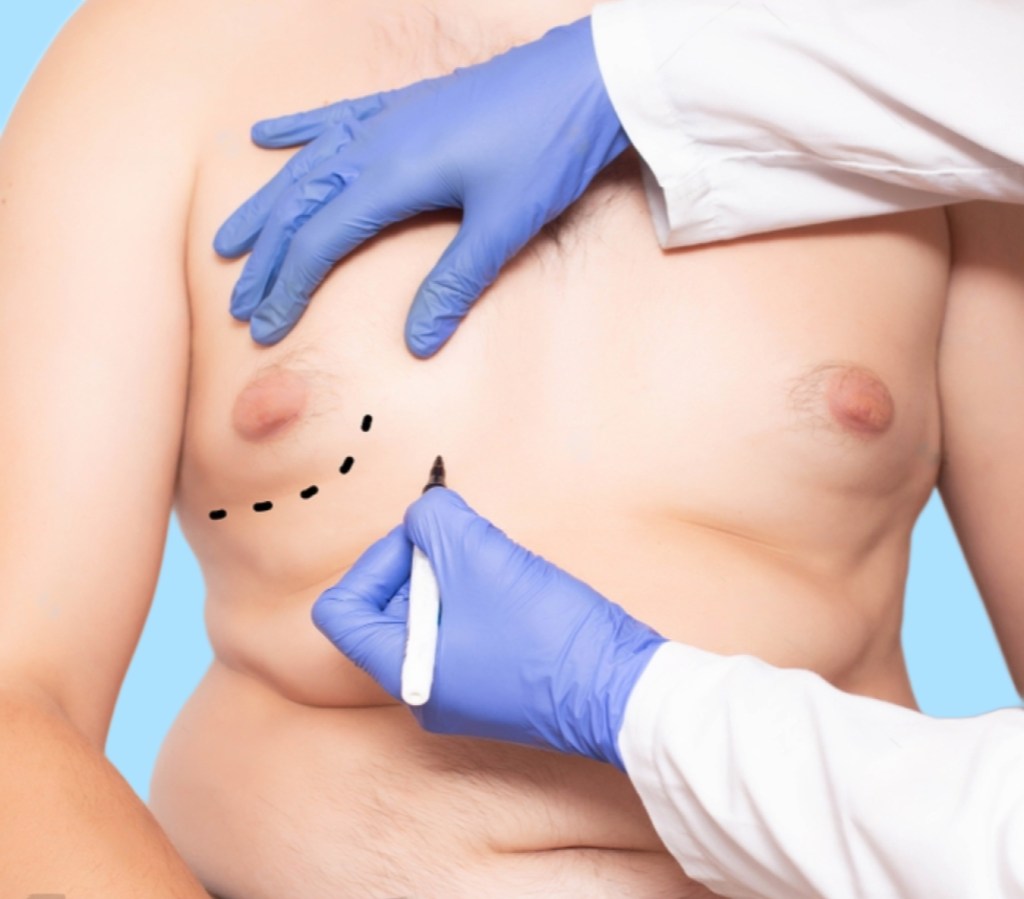
What is Gynecomastia Surgery?
Gynecomastia surgery, also known as male breast reduction surgery, is a procedure designed to reduce excess breast tissue in men. This condition, known as gynecomastia, can affect one or both breasts and may cause discomfort or self-consciousness. The surgery aims to create a flatter, firmer chest by removing excess fat, glandular tissue, and, in some cases, skin.
Benefits of Gynecomastia Surgery
- Flatter, More Masculine Chest: Reduces excess breast tissue to create a more sculpted, masculine chest contour.
- Boost in Confidence: Many men experience improved self-esteem and feel more comfortable in fitted clothing and during physical activities.
- Minimally Invasive Techniques: Modern techniques, such as liposuction-assisted surgery, are less invasive, leading to faster recovery times.
- Long-Lasting Results: Results from gynecomastia surgery are typically permanent as long as a stable weight is maintained.
- Improved Physical Comfort: In some cases, gynecomastia causes physical discomfort, which can be alleviated after surgery.
The Gynecomastia Procedure
- Consultation:
- Initial Assessment: Your journey begins with a consultation at Esthetic Surgery Travel, where your surgeon will assess your chest and discuss your goals.
- Customized Plan: Based on the amount of excess tissue and your desired outcome, your surgeon will develop a personalized treatment plan, which may involve liposuction, excision, or a combination of both techniques.
- Surgery:
- Anesthesia Administration: General anesthesia or local anesthesia with sedation will be administered to ensure your comfort throughout the surgery.
- Incisions and Tissue Removal: Incisions are made around the areola or in the chest crease. Excess glandular tissue, fat, and skin are removed to create a flatter chest contour.
- Surgery Duration: The procedure typically lasts 1 to 2 hours, depending on the extent of the tissue removal.
- Recovery:
- Immediate Post-Op: After surgery, you will be monitored in a recovery area until you awaken from anesthesia. Compression garments may be applied to reduce swelling and support healing.
- Follow-Up Care: Regular follow-up appointments are important to monitor your recovery and ensure optimal results.
Recovery Process
- Initial Recovery: You can expect mild discomfort, swelling, and bruising during the first few days post-surgery. Pain medications and compression garments can help manage these symptoms.
- Returning to Activities: Most patients can resume light activities within 1 week, but strenuous activities should be avoided for at least 4 to 6 weeks.
- Long-Term Results: As swelling subsides, the final results will become more apparent, revealing a firmer, flatter chest. Maintaining a stable weight and healthy lifestyle will help preserve the results.
Frequently Asked Questions (FAQs)
- Q: Who is a good candidate for gynecomastia surgery?
- A: Ideal candidates are men with excess breast tissue or fat who are in good overall health and have realistic expectations for their results.
- Q: Will there be visible scars after gynecomastia surgery?
- A: While there may be scarring, incisions are typically placed in inconspicuous areas like around the areola or chest crease. Over time, scars fade significantly.
- Q: How long do the results of gynecomastia surgery last?
- A: Results are typically long-lasting as long as a healthy lifestyle and stable weight are maintained.
- Q: Is gynecomastia surgery painful?
- A: Most patients experience mild discomfort after the procedure, but pain is manageable with medication.
- Q: How soon can I return to work after gynecomastia surgery?
- A: Most patients can return to work within 1 to 2 weeks, depending on their job and recovery progress.
- Q: Can gynecomastia surgery be combined with other procedures?
- A: Yes, gynecomastia surgery can be combined with other body contouring procedures, such as liposuction or abdominoplasty, to enhance overall results.
What Happens During Gynecomastia Surgery
Pre-Surgery Preparation
- Anesthesia Administration: You will receive general anesthesia or local anesthesia with sedation to ensure comfort throughout the procedure.
- Marking Treatment Areas: Your surgeon will mark the areas of the chest where excess tissue will be removed to ensure symmetry and balance.
The Surgical Procedure
- Making Incisions:
- Incisions are made around the areola or in the chest crease, depending on the type and extent of the tissue to be removed.
- Tissue Removal:
- Excess glandular tissue, fat, and skin are removed, and liposuction may be used to contour the chest and create a smoother appearance.
- Closing Incisions:
- The incisions are closed with sutures, and compression garments are applied to support the healing process.
Post-Surgery Care in the Operating Room
- Compression Garments: Compression garments are applied to reduce swelling and support the newly contoured chest.
- Monitoring: You will be monitored closely as you recover from anesthesia, and your surgeon will provide detailed post-operative care instructions to ensure a smooth recovery.
Summary of Gynecomastia Surgery Steps:
- Administer anesthesia and mark treatment areas.
- Make incisions around the areola or chest crease.
- Remove excess tissue and fat to achieve a flatter chest contour.
- Close incisions and apply compression garments.
- Monitor recovery in the post-op area and follow up with regular check-ups.
Contact Us
For more information about gynecomastia surgery or to schedule a consultation with Esthetic Surgery Travel, please contact our office. We are committed to providing personalized care and helping you achieve your aesthetic goals safely and effectively.n with Esthetic Surgery Travel, please contact our office. We are committed to providing personalized care and helping you achieve your aesthetic goals safely and effectively.
 Esthetic Surgery Travel