
Root Canal Treatment
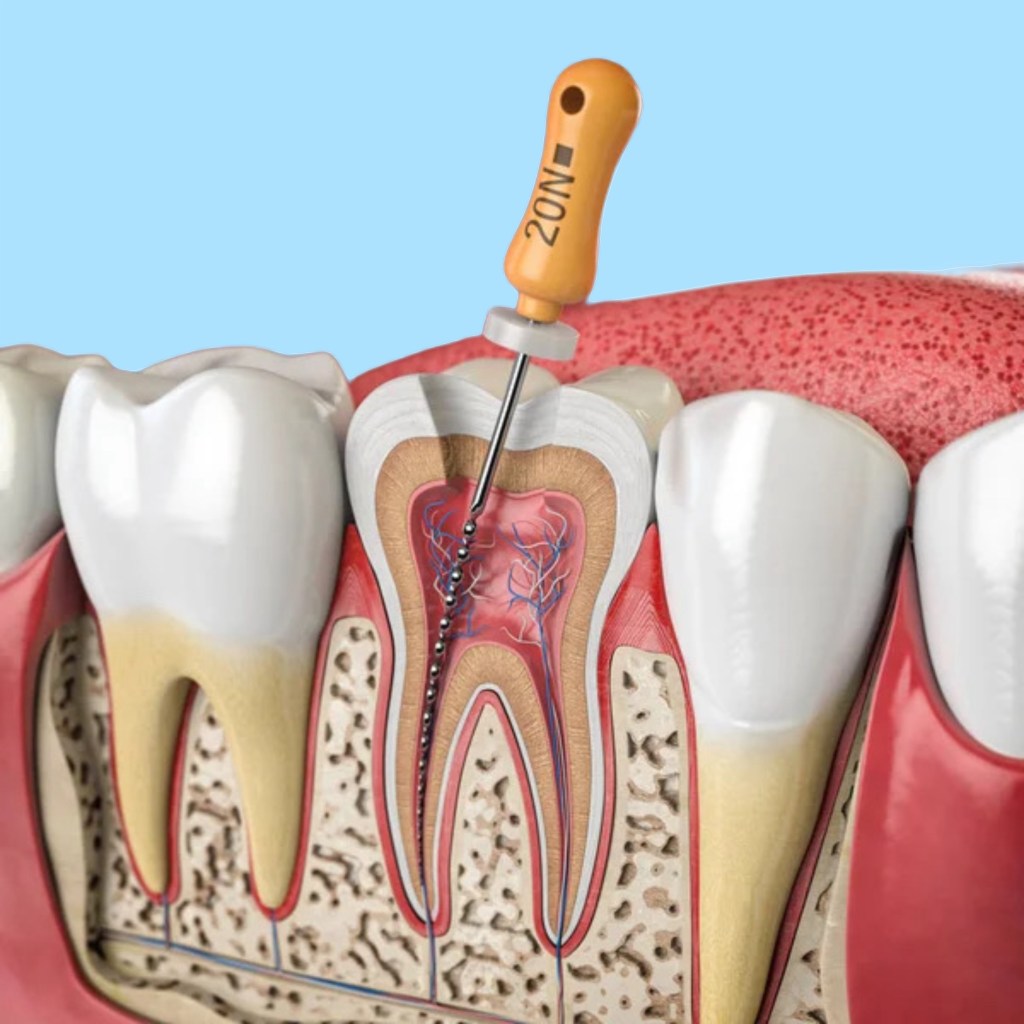
What is Root Canal Treatment?
Root canal treatment, also known as endodontic therapy, is a dental procedure used to treat infection or inflammation inside a tooth. This treatment involves removing the damaged or infected pulp (the soft tissue inside the tooth that contains nerves and blood vessels), cleaning and disinfecting the root canal, and sealing it to prevent further infection. Root canal treatment can save a tooth that would otherwise need to be extracted, restoring its function and relieving pain caused by infection or injury.
Benefits of Root Canal Treatment
- Pain Relief: One of the primary reasons for root canal treatment is to alleviate the severe pain caused by tooth infection or inflammation. The procedure effectively removes the source of the pain, providing immediate relief.
- Saves Natural Teeth: Root canal treatment allows you to preserve your natural tooth rather than extracting it. Keeping your natural teeth helps maintain your normal bite and prevents shifting of surrounding teeth, which can lead to further dental issues.
- Restored Functionality: After a root canal treatment, the tooth is restored with a crown or filling, allowing it to function normally for chewing, biting, and speaking without pain.
- Prevents Spread of Infection: Removing the infected pulp and cleaning the root canal prevents the spread of infection to surrounding teeth, gums, and jawbone. This protects your overall oral health.
- Aesthetic Restoration: Once the root canal is complete, the tooth is typically restored with a crown, which looks and functions like a natural tooth, ensuring your smile remains healthy and aesthetically pleasing.
Why Choose Root Canal Treatment?
Root canal treatment is often the best option for treating an infected or severely damaged tooth. It is a safe, effective procedure that allows you to keep your natural tooth, avoid extraction, and prevent further damage to your oral health. With modern techniques and anesthesia, the procedure is typically painless, providing relief from discomfort while restoring the tooth’s function. Choosing root canal treatment can save your tooth and maintain your oral health, making it a smart, long-term investment in your smile.
The Root Canal Treatment Procedure
- Consultation:
- Initial Examination: During your consultation at Esthetic Surgery Travel, your dentist will examine the tooth and take X-rays to assess the extent of the infection or damage. This step helps determine if root canal treatment is the best option for saving the tooth.
- Anesthesia and Pain Management:
- Local Anesthesia: Before the procedure begins, local anesthesia is administered to numb the area, ensuring you remain comfortable and pain-free throughout the treatment. Sedation options are also available for patients who feel anxious.
- Removing the Infected Pulp:
- Accessing the Pulp: A small opening is made in the crown of the tooth to access the infected or inflamed pulp inside.
- Cleaning and Shaping the Root Canal: Using specialized instruments, the dentist will carefully remove the infected or damaged pulp, clean and disinfect the root canal, and shape it to prepare for sealing.
- Sealing the Root Canal:
- Filling the Root Canal: After cleaning, the root canal is filled with a biocompatible material called gutta-percha to seal the canal and prevent future infection. A temporary filling may be placed over the opening to protect the tooth while a permanent restoration is being prepared.
- Final Restoration:
- Crown or Filling: To fully restore the tooth’s function and appearance, a permanent filling or crown is placed over the treated tooth. This step helps protect the tooth and ensure it can function just like your natural teeth.
Recovery Process
- Immediate Post-Procedure: After the root canal treatment, it’s normal to experience mild discomfort or sensitivity for a few days. Over-the-counter pain relievers are usually sufficient to manage this.
- Returning to Normal Activities: Most patients can return to normal activities the same day or the day after the procedure. You may be advised to avoid chewing on the treated tooth until the final restoration (crown or filling) is placed.
- Long-Term Care: Proper oral hygiene, including regular brushing, flossing, and dental check-ups, is essential to maintaining the health of the treated tooth. With good care, a tooth that has undergone root canal treatment can last a lifetime.
Frequently Asked Questions (FAQs)
- Q: Who needs root canal treatment?
- A: Root canal treatment is recommended for individuals with a severely infected or damaged tooth, often caused by deep decay, trauma, or cracks in the tooth. Symptoms may include severe toothache, sensitivity to hot and cold, swelling, and discoloration of the tooth.
- Q: Is root canal treatment painful?
- A: Contrary to popular belief, root canal treatment is not painful. Modern dental techniques and anesthesia make the procedure comfortable and virtually painless. In fact, the treatment is designed to relieve the pain caused by infection.
- Q: How long does root canal treatment take?
- A: Root canal treatment typically takes 1 to 2 appointments, depending on the complexity of the case. Each session usually lasts between 60 and 90 minutes.
- Q: Will I need a crown after root canal treatment?
- A: In most cases, a crown is recommended after root canal treatment to protect the tooth and restore its strength and functionality. However, in some cases, a filling may be sufficient.
- Q: How long does a tooth last after a root canal treatment?
- A: With proper care, a tooth that has undergone root canal treatment can last a lifetime. Regular dental check-ups, brushing, and flossing are essential for maintaining the health of the treated tooth.
What Happens During a Root Canal Treatment?
Pre-Treatment Preparation
- Consultation and X-Rays: Your dentist will perform an initial examination and take X-rays to assess the condition of the tooth and plan the treatment.
- Anesthesia: Local anesthesia is used to numb the area, ensuring a painless procedure.
The Root Canal Procedure
- Accessing the Pulp:
- A small opening is made in the tooth to reach the infected pulp.
- Cleaning and Disinfecting:
- The damaged pulp is removed, and the root canal is thoroughly cleaned and disinfected.
- Filling the Canal:
- The cleaned root canal is filled with gutta-percha to seal it.
- Final Restoration:
- A crown or filling is placed to restore the tooth’s function and appearance.
| Summary of Root Canal Procedure Steps: |
| 1. Initial consultation and X-rays to determine the need for root canal treatment. |
| 2. Numbing the area with local anesthesia. |
| 3. Removing the infected pulp and cleaning the root canal. |
| 4. Sealing the root canal with gutta-percha. |
| 5. Regular dental care to maintain the health and longevity of the implants and prosthesis. |
Contact Us
For more information about Root Canal Treatment or to schedule a consultation to address tooth pain or infection, contact Esthetic Surgery Travel today. We are committed to helping you preserve your natural teeth and achieve optimal oral health with effective, pain-free root canal therapy.
 Esthetic Surgery Travel