
Teeth Cleaning
What is Teeth Cleaning?
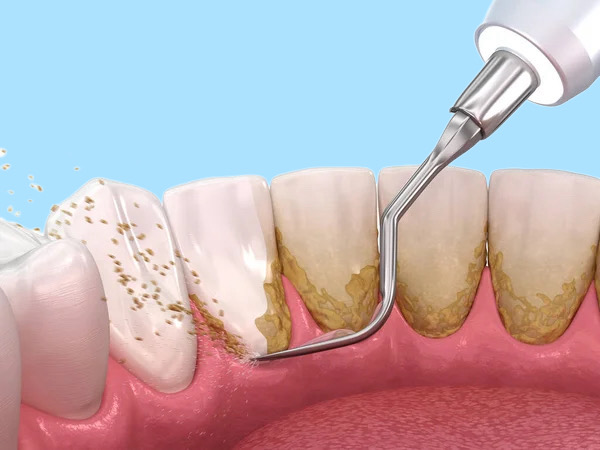
Teeth cleaning, also known as dental prophylaxis, is a professional dental procedure designed to remove plaque, tartar, and stains from the teeth, ensuring optimal oral health. Even with regular brushing and flossing, plaque can accumulate in hard-to-reach areas, eventually hardening into tartar. Professional teeth cleaning helps prevent gum disease, cavities, and bad breath by thoroughly cleaning your teeth and gums, leaving your mouth feeling fresh and rejuvenated. This essential preventive care is a key component of maintaining long-term oral health and a bright, healthy smile.
Benefits of Teeth Cleaning
- Prevents Gum Disease: Regular teeth cleaning removes plaque and tartar that can lead to gum disease (gingivitis and periodontitis). Early detection and removal of these harmful substances help keep your gums healthy and reduce the risk of infection.
- Prevents Cavities: Plaque is a leading cause of tooth decay. Teeth cleaning removes this sticky film of bacteria from the surface of your teeth, preventing the formation of cavities and ensuring stronger, healthier teeth.
- Freshens Breath: Persistent bad breath (halitosis) is often caused by plaque buildup and bacteria. Professional teeth cleaning thoroughly cleans areas that brushing and flossing may miss, leaving your mouth feeling fresh and clean.
- Brightens Your Smile: Professional teeth cleaning helps remove surface stains caused by coffee, tea, tobacco, and other factors, giving your smile a brighter, whiter appearance. It also helps polish your teeth for a smooth, shiny finish.
- Prevents Tooth Loss: Gum disease caused by plaque buildup is a major cause of tooth loss in adults. Regular cleanings help keep your gums and teeth healthy, reducing the risk of periodontal issues and preserving your natural teeth for life.
- Detects Oral Health Issues Early: During a teeth cleaning, your dentist or hygienist will examine your mouth for any signs of oral health problems, such as cavities, gum disease, or oral cancer. Early detection allows for prompt treatment and prevents more serious complications.
Why Choose Professional Teeth Cleaning?
Professional teeth cleaning is an essential part of maintaining good oral hygiene. While brushing and flossing at home are crucial, they cannot reach all areas of your mouth where plaque and tartar may accumulate. Regular professional cleanings not only keep your teeth and gums healthy but also help prevent more serious dental issues down the road. Whether you’re looking to prevent gum disease, maintain fresh breath, or brighten your smile, professional teeth cleaning is a key step toward achieving and maintaining optimal oral health.
The Teeth Cleaning Procedure
- Consultation and Examination:
- Initial Assessment: Your dentist or dental hygienist will begin by examining your teeth and gums. This includes checking for signs of gum disease, cavities, and other oral health issues. X-rays may also be taken to detect any underlying problems that aren’t visible during the physical exam.
- Scaling:
- Plaque and Tartar Removal: The first step of the cleaning process is scaling, which involves using specialized instruments to remove plaque and tartar from the surfaces of your teeth, including those areas below the gumline. Scaling is essential for preventing gum disease and maintaining healthy gums.
- Polishing:
- Removing Surface Stains: After scaling, your teeth will be polished using a gritty paste (prophy paste) to remove surface stains and smooth the surface of your teeth. This leaves your teeth looking brighter and feeling smooth and clean.
- Flossing:
- Deep Cleaning Between Teeth: After polishing, your dental hygienist will floss between your teeth to remove any remaining plaque or debris. This deep cleaning ensures that your teeth are free from any hidden particles that could lead to decay or gum disease.
- Fluoride Treatment (optional):
- Protecting Your Teeth: In some cases, a fluoride treatment may be applied after cleaning to strengthen your teeth and protect them from cavities. This treatment is especially beneficial for children or individuals at high risk for tooth decay.
Recovery Process
- Immediate Aftercare: After your teeth cleaning, your mouth may feel fresh and clean, and you can resume normal activities immediately. Some patients may experience slight gum sensitivity, but this typically subsides within a few hours.
- Maintaining Oral Hygiene: To keep your teeth and gums healthy between cleanings, it’s important to maintain a consistent oral hygiene routine. This includes brushing twice a day, flossing daily, and using mouthwash if recommended by your dentist.
- Long-Term Benefits: Regular professional teeth cleanings, combined with proper at-home care, significantly reduce the risk of cavities, gum disease, and other oral health issues. By keeping up with your cleanings, you can enjoy a bright, healthy smile for years to come.
Frequently Asked Questions (FAQs)
- Q: How often should I get my teeth professionally cleaned?
- A: It is recommended to get your teeth cleaned every 6 months. However, individuals with gum disease or other oral health concerns may need more frequent cleanings, as determined by their dentist.
- Q: Is teeth cleaning painful?
- A: Teeth cleaning is generally painless. Some patients may experience slight discomfort if they have sensitive teeth or gums, but your dentist or hygienist will take care to ensure your comfort throughout the procedure.
- Q: Can teeth cleaning remove stains from my teeth?
- A: Yes, teeth cleaning can remove surface stains caused by food, drink, and tobacco use. However, deeper stains may require additional whitening treatments for more noticeable results.
- Q: What is the difference between a regular cleaning and a deep cleaning?
- A: A regular cleaning focuses on removing plaque and tartar from above the gumline, while a deep cleaning (also known as scaling and root planing) involves cleaning below the gumline to treat gum disease.
- Q: What can I do to maintain my clean teeth between visits?
- A: Maintaining a regular oral hygiene routine is key to keeping your teeth clean between professional cleanings. This includes brushing twice a day, flossing daily, and using mouthwash if needed.
What Happens During a Teeth Cleaning Procedure?
Pre-Treatment Preparation
- Consultation and Examination: Your dentist or dental hygienist will examine your mouth to check for signs of cavities, gum disease, and other issues.
- X-rays: If necessary, X-rays may be taken to assess any underlying dental problems.
The Cleaning Process
- Scaling:
- The dentist or hygienist removes plaque and tartar buildup from the surface of your teeth and along the gumline.
- Polishing:
- A polishing paste is applied to smooth the surface of the teeth and remove any remaining surface stains.
- Flossing:
- The dental hygienist flosses between your teeth to ensure all plaque and debris are removed.
- Fluoride Treatment (optional):
- A fluoride gel may be applied to the teeth for added protection against cavities.
| Summary of Teeth Cleaning Steps: |
| 1. Examination of teeth and gums to assess oral health. |
| 2. Removal of plaque and tartar through scaling. |
| 3. Polishing teeth to remove surface stains and create a smooth finish. |
| 4. Flossing to remove any remaining debris between teeth. |
| 5. (Optional) Fluoride treatment for added cavity protection. |
Contact Us
For more information about Teeth Cleaning, or to schedule your professional cleaning appointment, contact Esthetic Surgery Travel today. We are dedicated to helping you maintain a bright, healthy smile with expert care and personalized dental services.
 Esthetic Surgery Travel