
Teeth Restoration and Filling
What is Teeth Restoration and Filling?
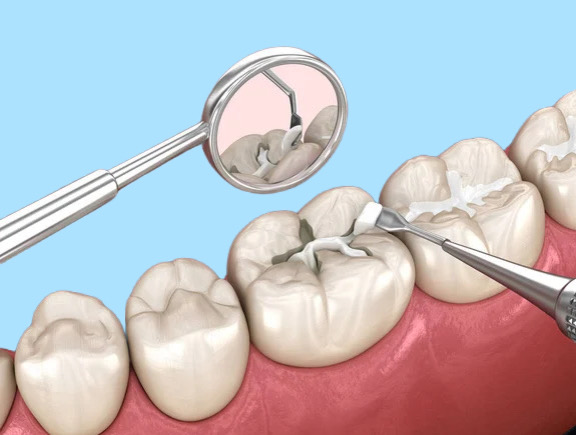
Teeth restoration and filling are dental procedures designed to repair damaged, decayed, or worn teeth. The process typically involves removing the decayed portion of the tooth and filling the area with a material such as composite resin, amalgam, or porcelain. Teeth restoration not only improves the appearance of your teeth but also restores their function and prevents further decay or damage. Whether caused by cavities, wear and tear, or trauma, teeth restoration ensures your smile remains healthy, strong, and aesthetically pleasing.
Benefits of Teeth Restoration and Filling
- Prevents Further Decay: Restoring a tooth with a filling stops the progression of decay. By removing the damaged part of the tooth and filling the cavity, the tooth is protected from bacteria and further deterioration.
- Restores Tooth Function: Teeth that have been damaged by decay, cracks, or wear can be restored to their full function. After a filling, you can chew, bite, and speak normally without discomfort or fear of further damage.
- Improves Aesthetics: Modern filling materials, such as tooth-colored composites, blend seamlessly with the natural color of your teeth. This allows for discreet restorations that enhance the overall appearance of your smile.
- Strengthens the Tooth: In addition to preventing decay, fillings reinforce the tooth, preventing further weakening or fractures. This strengthens the tooth and helps maintain its structural integrity.
- Quick and Painless: Teeth restoration procedures are typically quick and painless. With the use of local anesthesia, patients can expect a comfortable experience and return to their daily activities shortly after the procedure.
Why Choose Teeth Restoration and Filling?
Teeth restoration and filling are essential for maintaining long-term dental health. By treating cavities, cracks, or damage early on, you can avoid more serious dental issues, such as infections or the need for tooth extraction. Choosing to restore a tooth with a filling not only preserves the health of the tooth but also improves its appearance and function. For anyone experiencing tooth decay or damage, this quick and effective procedure ensures a healthy and beautiful smile.
The Teeth Restoration and Filling Procedure
- Consultation:
- Initial Examination: During your consultation at Esthetic Surgery Travel, your dentist will examine your teeth to identify any cavities, decay, or damage. X-rays may be taken to assess the extent of decay and ensure the appropriate treatment plan.
- Material Selection: Your dentist will discuss the different types of filling materials available, such as composite resin (tooth-colored), amalgam (silver-colored), or porcelain. The material chosen depends on the location of the cavity, your aesthetic preferences, and the functional needs of the tooth.
- Anesthesia and Pain Management:
- Local Anesthesia: Before the procedure, local anesthesia will be administered to numb the area around the tooth, ensuring a painless experience. This ensures that you remain comfortable throughout the process.
- Removing the Decay:
- Cleaning the Tooth: The dentist will use specialized instruments to remove the decayed portion of the tooth. This step is crucial for stopping the progression of decay and preventing future damage.
- Preparing the Tooth: Once the decay is removed, the tooth will be cleaned and shaped to prepare it for the filling material.
- Placing the Filling:
- Filling the Cavity: The filling material is placed into the cavity and carefully shaped to fit the natural contours of your tooth. For composite fillings, the material is applied in layers and hardened with a special curing light.
- Finishing Touches: After the filling is placed, the dentist will polish the tooth to ensure it looks natural and feels smooth. The filling is also adjusted to ensure a proper bite.
Recovery Process
- Immediate Recovery: After a filling, patients typically experience little to no discomfort. It’s normal to feel slight sensitivity to hot or cold food and beverages, but this should subside within a few days.
- Returning to Normal Activities: Most patients can resume normal eating, drinking, and speaking immediately after the procedure. Your dentist may advise avoiding very hard or sticky foods for the first day or two to allow the filling to settle properly.
- Long-Term Care: Proper oral hygiene, including regular brushing, flossing, and dental check-ups, is essential for maintaining the longevity of the filling and preventing future decay. With good care, fillings can last many years, providing long-term protection and function.
Frequently Asked Questions (FAQs)
- Q: Why do I need a filling?
- A: Fillings are necessary when a tooth has been damaged by decay (a cavity) or minor fractures. A filling restores the tooth, preventing further damage and restoring its function.
- Q: Is getting a filling painful?
- A: No, the procedure is typically painless. Local anesthesia is used to numb the area around the tooth, ensuring you don’t feel any discomfort during the process.
- Q: What types of fillings are available?
- A: There are several types of fillings, including:
- Composite Resin: Tooth-colored fillings that blend seamlessly with natural teeth.
- Amalgam: Silver-colored fillings made from a mixture of metals, known for their strength.
- Porcelain: Durable, tooth-colored fillings often used for larger restorations.
- Gold: Long-lasting and durable but more expensive and less commonly used.
- A: There are several types of fillings, including:
- Q: How long does a filling last?
- A: The longevity of a filling depends on the material used and how well it is cared for. Composite fillings typically last 5-10 years, while amalgam and gold fillings can last much longer with proper care.
- Q: Will the filling look natural?
- A: Yes, composite fillings are tooth-colored and designed to match the natural shade of your teeth. This makes them virtually invisible, ensuring a seamless and natural appearance.
- Q: What should I avoid after getting a filling?
- A: It’s best to avoid very hot, cold, or sticky foods for the first 24 hours after the procedure. Chewing on hard objects such as ice or pens should also be avoided to protect the filling.
What Happens During a Teeth Restoration and Filling Procedure?
Pre-Surgery Preparation
- Consultation and Examination: Your dentist will assess the tooth and determine the extent of decay or damage.
- Anesthesia: Local anesthesia is administered to numb the area around the tooth.
The Filling Procedure
- Removing the Decay:
- The dentist will carefully remove the decayed portion of the tooth.
- Cleaning and Preparing the Tooth:
- The tooth is cleaned and shaped to receive the filling material.
- Filling the Cavity:
- The filling material is placed, shaped, and cured to ensure a secure fit.
- Polishing the Tooth:
- The filling is polished, and the bite is checked to ensure comfort and functionality.
| Summary of Teeth Restoration and Filling Procedure Steps: |
| 1. Initial consultation and X-rays to identify cavities or damage. |
| 2. Administering local anesthesia to ensure a painless experience. |
| 3. Removing decayed or damaged portions of the tooth. |
| 4. Filling the cavity with composite, amalgam, or another material. |
| 5. Polishing the tooth and checking the bite for a natural look and feel. |
Contact Us
For more information about Teeth Restoration and Filling, or to schedule a consultation to address tooth decay or damage, contact Esthetic Surgery Travel today. Our experienced team is dedicated to restoring the health, function, and beauty of your smile with the highest quality dental care.
 Esthetic Surgery Travel