
Tooth Extraction
What is a Tooth Extraction?
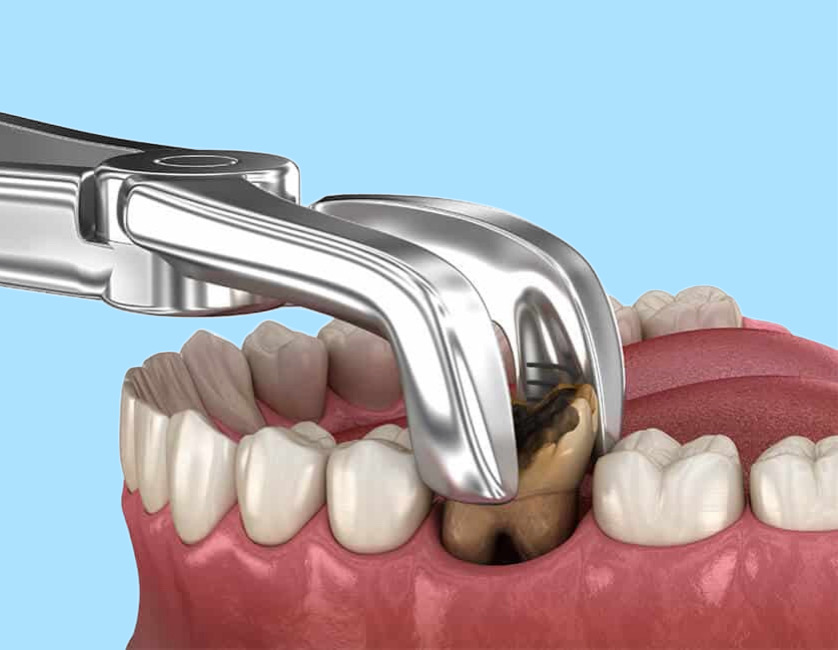
Tooth extraction is a common dental procedure involving the removal of a tooth from its socket in the bone. This procedure is typically performed when a tooth is severely damaged, decayed, infected, or when there’s not enough room in the mouth, such as with impacted wisdom teeth. Tooth extraction can help prevent further oral health problems and is often followed by restoration procedures like implants, bridges, or dentures to maintain oral function and appearance.
Benefits of Tooth Extraction
- Pain Relief: Tooth extraction can alleviate severe pain caused by an infected or damaged tooth. By removing the problematic tooth, you prevent the spread of infection and reduce discomfort.
- Prevents Further Oral Health Issues: Extracting an infected or severely decayed tooth can prevent the infection from spreading to neighboring teeth, gums, and even the jawbone.
- Facilitates Orthodontic Treatments: In some cases, tooth extraction is necessary to create space for orthodontic treatments, such as braces. Removing overcrowded or misaligned teeth can help achieve a straighter, healthier smile.
- Removes Impacted Teeth: Impacted teeth, especially wisdom teeth, can lead to pain, swelling, and damage to neighboring teeth. Extracting impacted teeth prevents further complications and preserves overall oral health.
- Prepares for Dental Restorations: In cases of severe decay or damage, a tooth may need to be extracted to make way for dental implants, bridges, or dentures, which restore function and aesthetics.
Why Choose Tooth Extraction?
Tooth extraction is often the best option when a tooth is beyond repair due to decay, damage, or infection. It’s a safe and effective procedure that can prevent more serious dental problems down the line, such as abscesses or the spread of infection to other teeth and tissues. While the idea of extraction may seem daunting, modern dental techniques ensure that the process is quick, comfortable, and pain-free. After extraction, your dentist will discuss options for restoring the tooth to maintain your smile’s function and appearance.
The Tooth Extraction Procedure
- Consultation:
- Initial Examination: Your journey begins with a thorough dental examination at Esthetic Surgery Travel. X-rays may be taken to assess the condition of the tooth and surrounding bone. Your dentist will evaluate whether extraction is the best option or if other treatments, such as root canal therapy, could save the tooth.
- Anesthesia and Pain Management:
- Local Anesthesia: To ensure a painless experience, local anesthesia will be administered to numb the area around the tooth. For complex extractions or for patients with dental anxiety, sedation options may also be available to enhance comfort.
- Simple vs. Surgical Extraction:
- Simple Extraction: If the tooth is visible and easily accessible, a simple extraction will be performed. The dentist will loosen the tooth using a special tool called an elevator and then remove it with forceps.
- Surgical Extraction: If the tooth is impacted or not easily accessible (such as wisdom teeth), a surgical extraction may be required. This involves making a small incision in the gum to access the tooth. In some cases, the tooth may need to be broken into smaller pieces to facilitate removal.
- Post-Extraction Care:
- Gauze and Clot Formation: After the tooth is removed, gauze will be placed over the extraction site to encourage blood clot formation, which is vital for proper healing. You will be given instructions on how to care for the extraction site to avoid complications such as dry socket.
Recovery Process
- Initial Recovery: After the extraction, it’s normal to experience mild discomfort, swelling, and bleeding for the first 24-48 hours. Over-the-counter pain relievers and ice packs can help manage discomfort and reduce swelling. You’ll be advised to avoid strenuous activities, smoking, and drinking through a straw to protect the healing site.
- Healing and Aftercare: Most patients recover from a tooth extraction within a few days to a week. Follow your dentist’s aftercare instructions carefully, including keeping the extraction site clean, eating soft foods, and avoiding anything that could disturb the healing process.
- Restoring Your Smile: After the extraction site has healed, your dentist may recommend a replacement option such as a dental implant, bridge, or denture to restore the function and appearance of your smile.
Frequently Asked Questions (FAQs)
- Q: Why would I need a tooth extraction?
- A: Tooth extraction is necessary when a tooth is severely decayed, damaged beyond repair, or infected. Other reasons include impacted teeth, overcrowding, and preparation for orthodontic treatments.
- Q: Is tooth extraction painful?
- A: No, tooth extraction is not painful. Your dentist will use local anesthesia to numb the area, ensuring you don’t feel pain during the procedure. Sedation options are also available for those who feel anxious or are undergoing complex extractions.
- Q: How long does the tooth extraction procedure take?
- A: The procedure typically takes between 20 to 40 minutes, depending on whether it’s a simple or surgical extraction. Impacted or complex extractions may take longer.
- Q: How long does it take to recover from tooth extraction?
- A: Most people recover within a few days to a week. The initial discomfort usually subsides after 24-48 hours, and following post-extraction care instructions can help speed up the healing process.
- Q: What can I eat after a tooth extraction?
- A: Stick to soft foods like yogurt, mashed potatoes, soup, and smoothies during the first 24-48 hours. Avoid hard, crunchy, or sticky foods that could disrupt the clot or irritate the extraction site.
- Q: Do I need to replace the extracted tooth?
- A: In most cases, it is recommended to replace the extracted tooth to prevent shifting of nearby teeth and maintain proper function. Your dentist may recommend options such as dental implants, bridges, or dentures to restore your smile.
What Happens During a Tooth Extraction?
Pre-Surgery Preparation
- Consultation and X-rays: Your dentist will examine the tooth and take X-rays to assess its position and the surrounding bone structure. This helps determine the best extraction method.
- Anesthesia: Local anesthesia is used to numb the area, ensuring a painless procedure. Sedation options may be offered for added comfort during more complex extractions.
The Extraction Procedure
- Loosening the Tooth:
- The dentist will use an elevator to loosen the tooth from the socket.
- Removing the Tooth:
- Once the tooth is loosened, it is removed using forceps (for simple extractions) or surgical tools if an incision is needed.
- Post-Extraction Care:
- A gauze pad will be placed over the extraction site to promote clot formation. You’ll receive post-care instructions to ensure proper healing.
| Summary of Tooth Extraction Procedure Steps: |
| 1. Consultation and X-rays to determine the need for extraction. |
| 2. Administer local anesthesia to numb the area. |
| 3. Loosen and remove the tooth using forceps (or surgery if needed). |
| 4. Post-extraction care instructions to ensure proper healing and avoid complications. |
| 5. Restoration options such as implants or bridges if needed to maintain function and aesthetics. |
Contact Us
For more information about Tooth Extraction or to schedule a consultation to address tooth pain or infection, contact Esthetic Surgery Travel today. We are committed to providing safe and effective care that preserves your oral health and restores your smile.
 Esthetic Surgery Travel