
Tummy Tuck (Abdominoplasty)
What is a Tummy Tuck?
A tummy tuck, medically known as abdominoplasty, is a cosmetic surgery procedure designed to improve the appearance of the abdomen. It involves removing excess skin and fat and, in most cases, restoring weakened or separated muscles to create a smoother, firmer abdominal profile. This procedure is particularly beneficial for individuals who have experienced significant weight loss, post-pregnancy, or aging, which can all result in a loose or sagging abdominal area.
Benefits of a Tummy Tuck
- Enhanced Appearance: Achieve a flatter, more toned abdominal area. A tummy tuck can significantly improve the contour of the abdomen, leading to a more aesthetically pleasing and youthful appearance.
- Improved Confidence: Many patients experience a boost in self-esteem and body image post-surgery. Feeling good about one’s body can enhance overall quality of life.
- Better Posture: Strengthening of abdominal muscles can lead to improved posture. A strong core supports the spine and can alleviate back pain.
- Reduction of Excess Skin: Removal of loose, sagging skin that can cause discomfort or hygiene issues. This is especially beneficial for individuals who have undergone bariatric surgery or significant weight loss.
The Procedure
- Consultation:
- Initial Meeting: The process begins with a comprehensive consultation with your plastic surgeon. During this session, you’ll discuss your goals, medical history, and any concerns or questions you may have.
- Customized Plan: Based on your individual needs, your surgeon will develop a personalized surgical plan. This may include discussing different types of tummy tucks, such as a full, mini, or extended tummy tuck.
- Surgery:
- Preparation: On the day of surgery, you’ll be given general anesthesia to ensure comfort throughout the procedure.
- Incision: The surgeon will make a horizontal incision just above the pubic area. The length of the incision depends on the amount of excess skin to be removed.
- Muscle Repair and Fat Removal: If necessary, the surgeon will tighten the abdominal muscles and remove excess fat deposits.
- Skin Removal and Repositioning: Excess skin is trimmed away, and the remaining skin is pulled taut to create a smooth contour. The navel may be repositioned for a natural appearance.
- Surgery Duration: The procedure typically lasts between 2 to 4 hours, depending on the complexity of the surgery and individual patient factors.
- Closing Incisions: The incisions are closed with sutures, and dressings are applied.
- Recovery:
- Immediate Post-Op: After surgery, you’ll be taken to a recovery area where you’ll be closely monitored. It’s normal to experience swelling and discomfort, which can be managed with prescribed medications.
- Compression Garment: You’ll be instructed to wear a compression garment to reduce swelling and support the abdomen as it heals.
- Follow-Up Visits: Regular check-ups with your surgeon are essential to monitor your progress and ensure proper healing.
Types of Tummy Tucks
Full Tummy Tuck
A full tummy tuck addresses the entire abdominal area, removing excess skin and tightening the abdominal muscles both above and below the navel. This is ideal for those who have significant sagging or muscle separation.
Mini Tummy Tuck
A mini tummy tuck is a less invasive version of the traditional tummy tuck. It focuses on the area below the navel, making it suitable for individuals with a small amount of loose skin or fat. The incision is shorter, and no muscle repair above the navel is typically involved. It’s ideal for people who need minor contouring and tightening in the lower abdomen.
- Incision: Smaller than a full tummy tuck incision, usually located just above the pubic area.
- Muscle Repair: Focuses on the lower abdomen, if needed.
- Recovery Time: Generally shorter compared to a full tummy tuck, with patients returning to normal activities in a few weeks.
360-Degree Tummy Tuck (Circumferential Abdominoplasty)
A 360-degree tummy tuck, also called a circumferential abdominoplasty, is a more extensive procedure that addresses the entire midsection, including the front, sides, and back. This surgery is especially beneficial for patients who have experienced massive weight loss and have excess skin around the entire trunk.
- Incision: Runs around the circumference of the lower body to remove excess skin and fat from the abdomen, waist, and lower back.
- Muscle Repair: Tightens abdominal muscles as well as the back muscles, providing an overall body contour improvement.
- Recovery Time: Longer than a standard tummy tuck, with most patients needing 4 to 6 weeks before resuming normal activities.
Recovery Process
- First Few Days: Rest is crucial during the initial recovery period. You’ll need to avoid strenuous activities and follow your surgeon’s instructions closely to ensure a smooth recovery.
- Managing Discomfort: Pain and swelling are common, but can be managed with prescribed pain medication and proper care.
- Gradual Return to Activities: Most patients can return to light activities within 1-2 weeks. However, full recovery, including resumption of exercise and heavy lifting, typically takes 6-8 weeks.
- Long-Term Results: While you’ll see immediate improvements in the shape and appearance of your abdomen, final results will develop over several months as swelling subsides and the body adjusts.
Frequently Asked Questions (FAQs)
Q: Who is a good candidate for a tummy tuck? A: Ideal candidates are individuals in good health, with a stable weight, who have realistic expectations about the outcomes of the surgery. It’s particularly suited for those who have excess skin or weakened abdominal muscles that have not responded to diet and exercise.
Q: Will a tummy tuck help me lose weight? A: A tummy tuck is not a weight-loss procedure. It is best suited for those who have already achieved their weight-loss goals but are left with excess skin and fat that cannot be removed through diet and exercise alone.
Q: How long do the results last? A: The results of a tummy tuck can be long-lasting, especially if you maintain a healthy lifestyle with proper diet and exercise. However, significant weight fluctuations or future pregnancies can affect the results. To maintain the benefits, it’s important to keep your weight stable.
Q: How noticeable will the scars be? A: Scars from a tummy tuck are usually positioned to be hidden by most underwear or swimwear. Over time, they will fade but won’t completely disappear. Your surgeon will provide tips on how to care for your scars to minimize their appearance.
Q: What can I expect during the recovery period? A: Recovery varies from person to person, but you can generally expect to take 1-2 weeks off work and avoid strenuous activities for about 6-8 weeks. It’s important to follow all post-operative care instructions to ensure proper healing and achieve the best possible results.
Q: Are there any non-surgical alternatives to a tummy tuck? A: Non-surgical options, such as liposuction, can address fat deposits but won’t remove excess skin or repair weakened muscles. Your surgeon can discuss the best approach based on your specific needs and goals.
What Happens During a Tummy Tuck Surgery
Pre-Surgery Preparation
- Anesthesia Administration: Before the surgery begins, you will be given general anesthesia to ensure you are asleep and comfortable throughout the procedure.
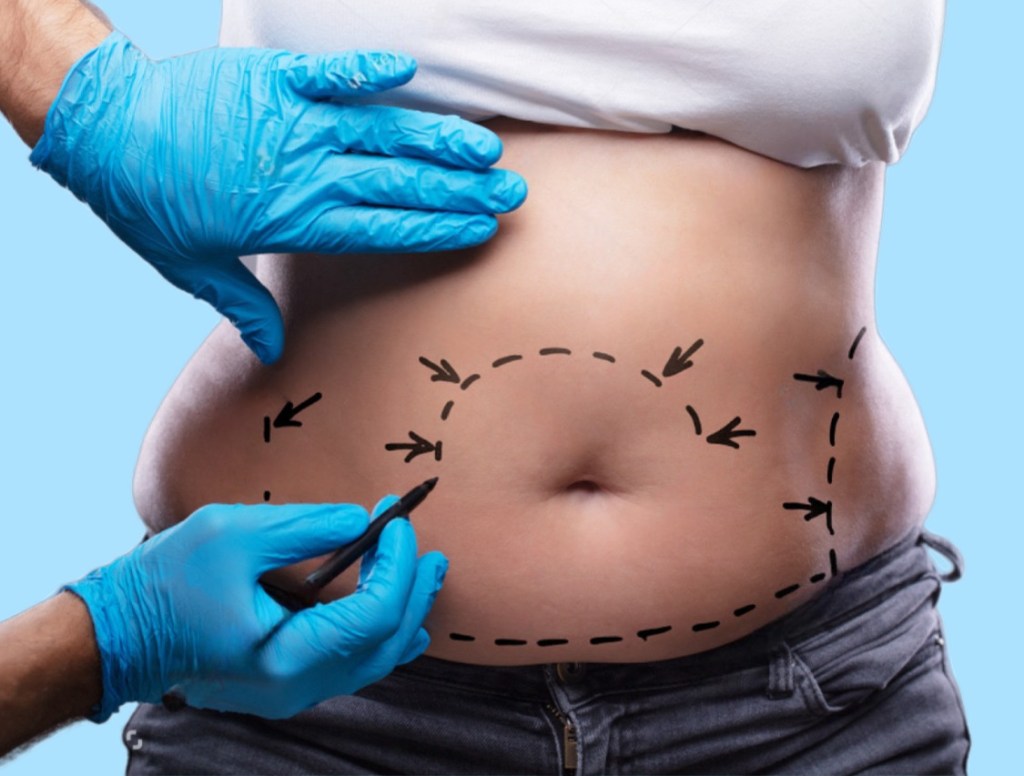
- Marking the Incision Sites: The surgeon will carefully mark the incision sites on your abdomen. These marks guide the surgeon during the procedure and ensure precise and symmetrical results.
The Surgical Procedure
- Making the Incision:
- The surgeon makes a horizontal incision just above the pubic area, extending laterally toward the hips. The length of the incision depends on the amount of excess skin to be removed.
- In a full tummy tuck, a second incision around the navel might be necessary to remove skin from the upper abdomen.
- Lifting the Skin and Tissue:
- The surgeon lifts the skin and underlying tissue away from the abdominal wall up to the ribcage. This exposes the abdominal muscles, allowing the surgeon to access and repair them if necessary.
- Muscle Repair:
- If the abdominal muscles have become weakened or separated (a condition known as diastasis recti), the surgeon will bring these muscles back together and suture them into a tighter, more supportive position. This step helps create a firmer abdominal wall and a slimmer waistline.
- Removing Excess Fat and Skin:
- Excess fat deposits may be removed via liposuction or direct excision. This helps to contour the abdominal area.
- The surgeon then trims away excess skin. The remaining skin is pulled down over the newly contoured abdomen.
- Repositioning the Navel:
- In a full tummy tuck, the navel may need to be repositioned to ensure it looks natural after the excess skin is removed. The surgeon creates a new opening for the navel and secures it in place.
- Closing the Incisions:
- Once the necessary adjustments have been made, the surgeon carefully stitches the incisions closed. This is done with great precision to minimize scarring.
- The incisions are usually reinforced with surgical tape, sutures, or skin adhesives to support proper healing.
Post-Surgery Care in the Operating Room
- Drain Placement: Small tubes (drains) may be placed under the skin to prevent fluid buildup. These drains are usually removed a few days after surgery.
- Applying Dressings: The surgical area is covered with sterile dressings to protect the wounds and reduce the risk of infection.
- Compression Garment: A compression garment is placed around your abdomen to help reduce swelling and support the newly contoured area during the initial healing phase.
Post-Operative Recovery
- Monitoring: After the surgery is complete, you will be moved to a recovery room where medical staff will monitor you as you wake up from anesthesia. Your vital signs, such as heart rate, blood pressure, and breathing, will be closely observed.
- Pain Management: Pain and discomfort are managed with prescribed medications. Your surgeon will provide specific instructions on how to take care of your surgical site, how to manage pain, and how to recognize signs of complications.
Summary of Steps During the Surgery:
- Administer anesthesia and mark incision sites.
- Make a horizontal incision above the pubic area, and potentially a second incision around the navel.
- Lift skin and tissue to expose abdominal muscles.
- Repair and tighten abdominal muscles.
- Remove excess fat and skin.
- Reposition the navel (if necessary).
- Close the incisions with sutures and apply dressings.
- Place drains (if needed) and apply a compression garment.
Contact Us
For more information about tummy tuck procedures or to schedule a consultation with Esthetic Surgery Travel, please contact our office. We’re here to answer your questions and help you achieve your aesthetic goals safely and effectively.
 Esthetic Surgery Travel